
Man in a suit on a calculator looking for help with logbook loans debt. He has a set of car keys and a red model car in front of him.

Help With Logbook Loans Debt

Logbook loans can seem like a quick fix when you need cash fast, but they carry risks that most other types of borrowing don’t. Because the loan is secured against your vehicle, falling behind on payments can have serious consequences that go beyond a missed payment letter.

At NDH Financial, we’re personal insolvency specialists with our own licensed Insolvency Practitioner in-house. We help people find a way forward when logbook loans and other debts have become too much to manage.

If you’re juggling a logbook loan alongside other unsecured debts, an Individual Voluntary Arrangement (IVA) could bring those other debts together into one affordable monthly payment. You’d have legal protection from creditor pressure, and any remaining qualifying debt is written off when you complete the arrangement**.

What is a logbook loan?

A logbook loan is a form of consumer credit secured against a vehicle you own. The lender takes ownership of the vehicle until you pay back the loan in full. You can continue using your vehicle day to day as long as you keep up with payments.

Logbook loans are sometimes called V5 loans or car title loans, named after the V5C logbook document that the lender holds while the agreement is in place.

Because the loan is secured, it’s classed as a priority debt. This means if you fall behind, the lender can send bailiffs to take your vehicle without going to court first, provided the bill of sale has been registered correctly.

Logbook loans also tend to come with very high interest rates, often much higher than a standard personal loan or credit card. That makes them costly to maintain, especially if your income drops or your expenses go up.

Why do people struggle with logbook loan debt?

Poor Credit Leaving Few Options

Logbook loans are often aimed at people who’ve been turned down for standard borrowing because of a poor credit history. If banks and other lenders have said no, a logbook loan can feel like the only way to borrow money. But the high cost means debt problems can get worse quickly.

Borrowing More Than You Can Afford

A logbook loan lender may offer larger amounts than you’d get from other types of borrowing. It can be tempting to take more than you need, which leaves you with repayments that are hard to manage from the start.

Changes in Circumstances

Falling into arrears on a logbook loan can happen quickly when circumstances change. Losing your job, a drop in hours, illness or an unexpected bill can all make repayments unaffordable fast.

Other Debts Piling Up Alongside It

Many people who take out a logbook loan are already dealing with other debts, such as credit cards, personal loans or payday loans. Juggling multiple repayments at once makes it harder to stay on top of everything, and the risk of missing a logbook loan payment is greater than most: it could cost you your vehicle.

Will a logbook loan affect my credit score?

Logbook loans show up on your credit file like any other borrowing. Keeping up with payments can help show that you’re handling credit well, but falling behind will cause damage that takes time to repair.

Things that will harm your credit score include:

  • Missed or late payments
  • A default, registered after six months of non-payment
  • A County Court Judgment (CCJ) if the lender takes legal action for money still owed
  • High levels of debt across your credit file

This negative information stays on your credit file for six years. During that time, it can make it harder to get a mortgage, rent a home or access other forms of credit.

Get in touch today

NDH Financial can help free you from the shackles of your debt.

Call us on 0800 002 9051 or apply below.

If you’re an existing client, please call us on 0800 002 9061.
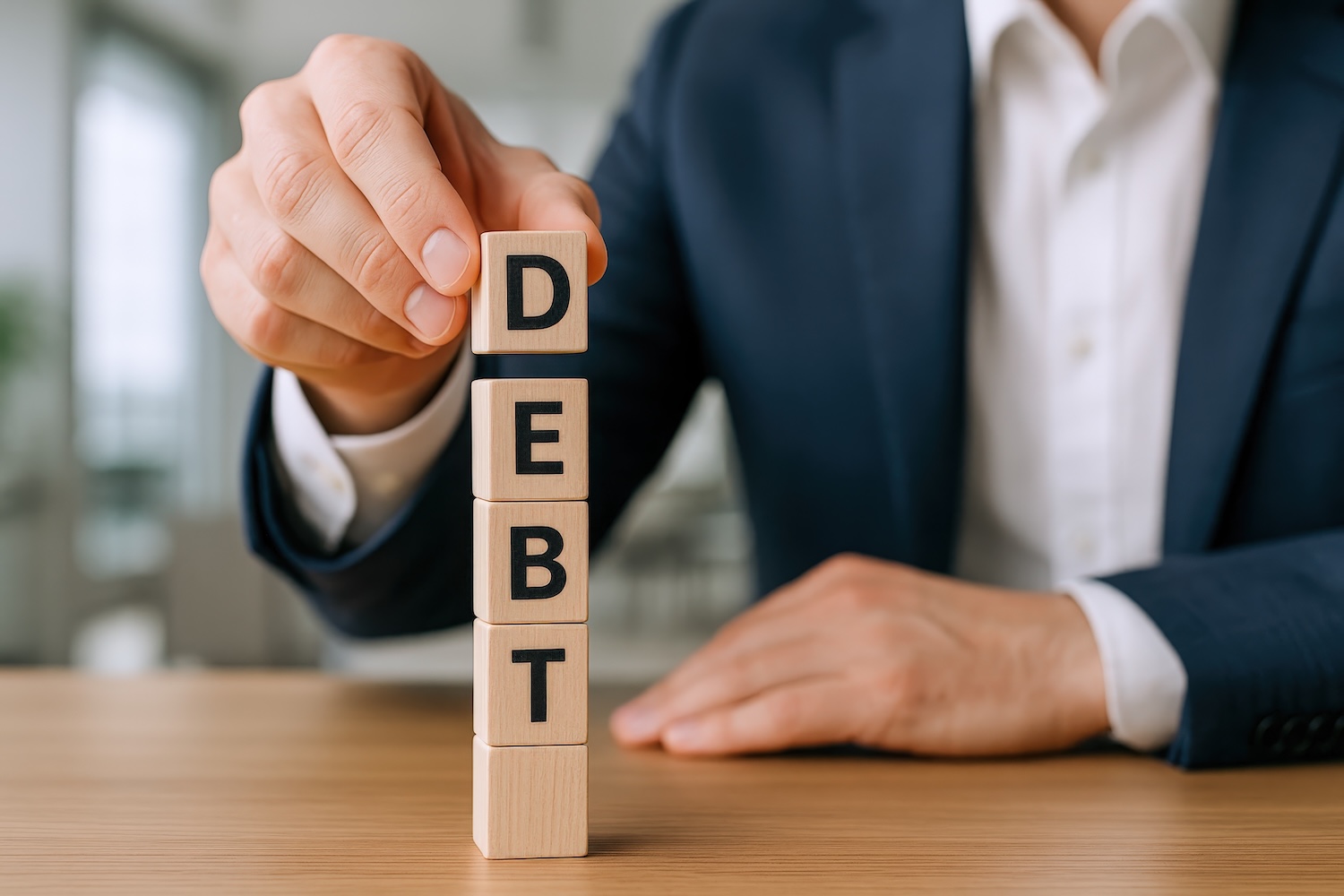
A businessman stacking cubes spelling Debt to represent 'business debt help'

What happens if I can't pay my logbook loan?

If you miss payments on a logbook loan, the lender will typically follow these steps:

Missed payment contact: The lender will get in touch, asking you to catch up on what you owe.

Default notice: A formal letter giving you at least 14 days to pay before further action is taken.

Vehicle repossession: If you don’t respond or pay, the lender can send bailiffs to repossess your car without a court order.

Vehicle sold: The lender will sell the vehicle to recover the debt. You have two weeks after repossession to pay off the balance and get it back.

Shortfall debt: If the value of your vehicle at sale doesn’t cover what you owe, the remaining amount becomes an unsecured debt. The lender may then pursue this through the courts.

Contact your lender as soon as you know you’ll be struggling. Most logbook loan companies are members of the Consumer Credit Trade Association and follow its code of practice, which means they should look at reducing your payments or pausing them temporarily before taking action.

Can logbook loan debt be written off?

Because a logbook loan is secured against your vehicle, it can’t be included in a formal debt solution like an IVA.

However, if your vehicle is repossessed and sold and there’s still money left to pay, that remaining amount becomes an unsecured debt. At that point, it can be included in a debt solution alongside your other unsecured debts.

If you have other unsecured debts alongside your logbook loan, a formal debt solution could help bring those under control, giving you more breathing room to manage the logbook loan separately.

Debt Solutions That Could Help

Individual Voluntary Arrangement (IVA)

An IVA is a legally binding agreement between you and your creditors. It lets you combine your unsecured debts into one monthly payment based on what you can genuinely afford, over a period of 5 to 6 years. Once it’s approved:

  • Your unsecured creditors must stop contacting you
  • Interest and charges on those debts are frozen
  • Any remaining qualifying debt is written off when you complete the arrangement**

Your logbook loan sits outside the IVA as a priority debt and is paid separately. If your vehicle has already been repossessed and there’s a shortfall, that amount can be included in the IVA as an unsecured debt.

You may qualify for an IVA if you owe £7,000 or more in unsecured debt, have a regular income, and have enough left each month after your essential costs to make a payment into the arrangement.

Check if You Qualify for an IVA

Debt Relief Order (DRO)

A DRO may be suitable if you have less than £50,000 in total debt, own few assets worth under £2,000, and have little money left over once your essential bills are covered. Your qualifying unsecured debts are frozen for 12 months and written off if your situation hasn’t improved by the end of that period. DROs are free to apply for in England, Wales, and Northern Ireland.

Learn More

Debt Management Plan (DMP)

A DMP is an informal arrangement where you make reduced payments to your unsecured creditors each month. It doesn’t provide legal protection, so creditors can still contact you and may continue adding interest. It tends to work best for people whose money problems are temporary.

Learn More

Bankruptcy

Bankruptcy can clear qualifying unsecured debts, usually within 12 months. It’s a significant step with lasting consequences, including potential loss of assets and a six-year impact on your credit file.

Learn More

Breathing Space

The Breathing Space scheme gives you 60 days of protection from creditor contact while you get debt advice. During this period, unsecured creditors must stop chasing payment and cannot add interest or charges, giving you time to look at longer-term options.

Learn More

Struggling with logbook loan debt? Contact NDH Financial today

If a logbook loan and other debts are causing you stress, NDH Financial can help. We’re personal insolvency specialists with our own licensed Insolvency Practitioner in-house, and we’ve helped lots of people get their finances back on track.

We’ll give you impartial advice and help you understand whether an IVA or another debt solution is right for you. We’ll explain your options clearly, with no pressure and no obligation to proceed.

Have More Questions? Our IVA Learning Hub Can Help

We know you might have questions and that's fine. We can answer most of those on our call.

But we've also built our learning hub so that you can learn more about an IVA and see if one is right for you.

Click below to check it out.