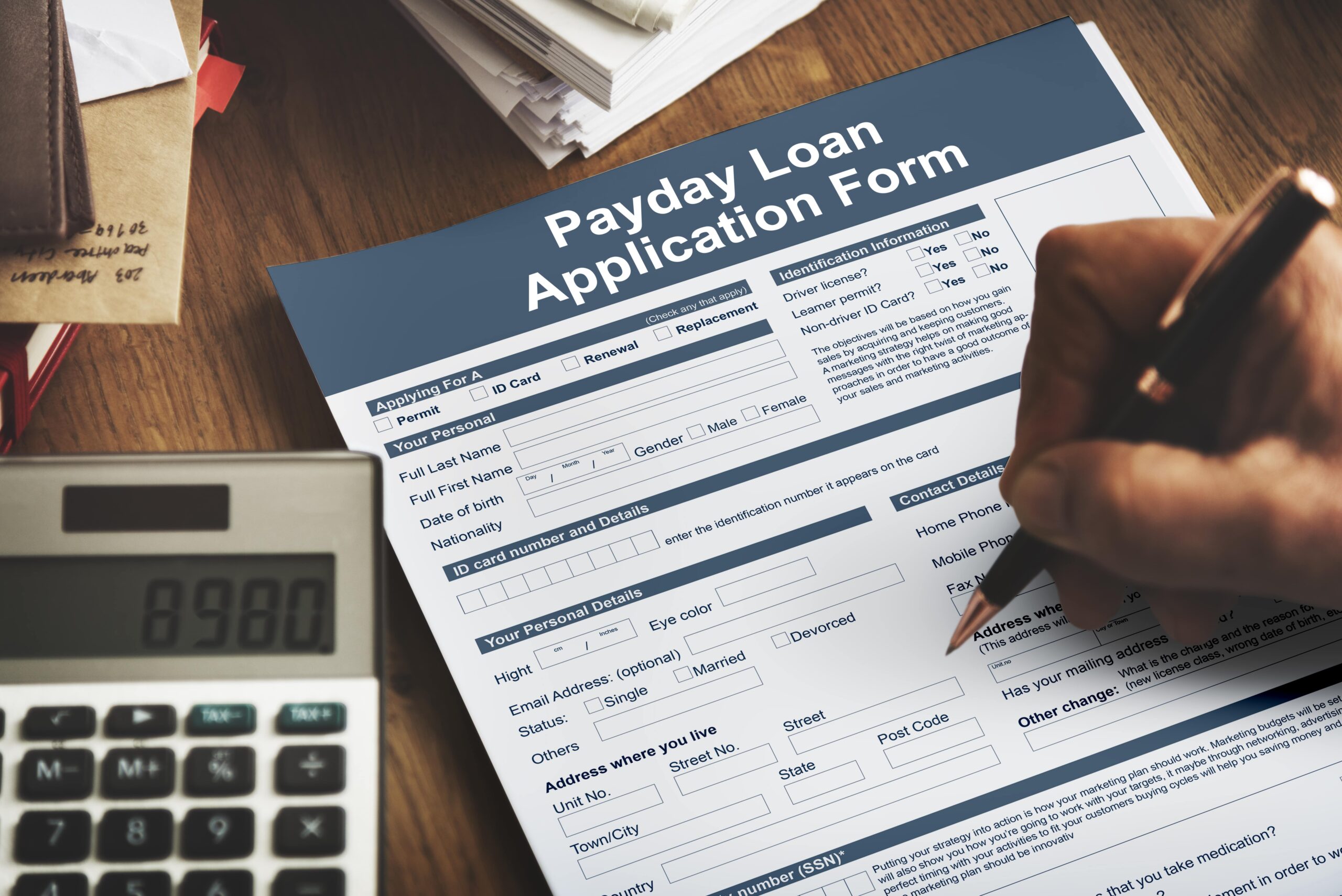
A man filling out a payday loan application form thinking about payday loan debt

Help with Payday Loan Debt

Taking out a payday loan when you’re short on cash can sometimes feel like the only option, but high interest rates mean that borrowing £500 can quickly turn into owing much more. What started as a solution to an emergency becomes expensive debt that’s difficult to escape.

At NDH Financial, we’re personal insolvency specialists with our own licensed Insolvency Practitioner in-house. We understand how payday loan debt spirals out of control, and we’re here to help you find solutions that provide legal protection while you get your finances back on track.

If you’re struggling with payday loan debt, an Individual Voluntary Arrangement (IVA) could stop all creditor contact and freeze the interest, letting you repay what you can genuinely afford over 5-6 years. After that, any remaining qualifying debt is written off**.

What is Payday Loan Debt?

Payday loan debt is money you owe to short-term lenders who provide quick cash loans, typically between £50 and £1,000, designed to be repaid on your next payday. They’re marketed as emergency borrowing for unexpected expenses, like a broken boiler, car repair, or urgent bill.

When you take out a payday loan, you’re borrowing money at extremely high interest rates (between 800% and 1,500% APR). While the loan might seem manageable, the interest charges mean you can end up repaying a lot more than you borrowed. A £300 loan could cost you £400 or more to repay, even over a few weeks.

Payday loan debt is classified as an unsecured debt, meaning it’s not secured against any of your assets or property. This makes it a non-priority debt, so the lender can’t repossess items you’ve bought if you fall behind on payments, but they can take other actions to recover what you owe. Unlike a personal loan with fixed repayment terms, payday loans are designed as short-term borrowing with much higher costs.

Causes of Payday Loan Debt

Payday loan debt builds up for various reasons, often starting as a one-off emergency solution before becoming a cycle that’s difficult to break. Payday loans are one of the most expensive ways to borrow, which is why even a small short-term loan can quickly spiral into unmanageable debt.

Emergency Expenses Without Savings

When your washing machine breaks down, your car needs urgent repairs, or an unexpected bill arrives, payday loans seem like the only way to cover these costs immediately. Without savings or an emergency fund to fall back on, borrowing becomes the default option – even when the interest rates are incredibly high.

Extremely High Interest Rates

Payday loans carry some of the highest interest rates of any borrowing – APRs of 1,000% or more are common. Even borrowing a small amount for a few weeks can result in owing significantly more than you borrowed. The fees and interest accumulate so quickly that many borrowers find themselves trapped in debt almost immediately.

The Payday Loan Trap and Rollovers

A lot of people take out a payday loan and say they’re going to repay it quickly. But when payday arrives, they can’t afford both the loan repayment and their regular living costs. Lenders may offer to roll over or refinance the debt, extending the deadline but adding fees each time. What started as a £300 loan can balloon to £500, £700 or more after multiple rollovers, with each extension making the debt harder to end.

Multiple Payday Loans

When one lender won’t approve another loan, people turn to different companies, juggling multiple high-interest debts with different repayment dates. Each time you apply for a payday loan, it can feel like a temporary solution, but managing several payday loans simultaneously quickly becomes overwhelming and unsustainable. Many borrowers find themselves having to apply for a loan just to cover the repayment of another, creating a debt cycle that’s difficult to escape.

Using Payday Loans for Essential Costs

When money is already tight, payday loans can seem like a lifeline for covering rent, food, or utility bills. However, using high-interest borrowing for regular living expenses creates a debt that must be repaid – with significant charges – when you’re already struggling financially. This pushes people further into debt rather than solving the underlying problem.

Changes in Circumstances

Losing your job, having your hours reduced, dealing with illness, experiencing a relationship breakdown, or facing unexpected costs can all make payday loan repayments suddenly impossible. What seemed manageable when you took out the loan becomes another financial pressure you can’t meet when your circumstances change.

Get in touch today

NDH Financial can help free you from the shackles of your debt.


Apply for the Debt Solution

Will payday loan debt hurt your credit score and credit report?

If you repay your payday loan on time and in full, it can actually improve your credit score by demonstrating you can handle credit responsibly. Making regular, on-time payments shows lenders you’re a reliable borrower. However, applying for the loan will cause a temporary dip in your credit score due to the hard credit check, though this usually recovers within a few months.

Payday loan debt problems that hurt your credit include:

  • Late or missed payments – Each missed payment gets recorded on your file
  • Defaults – Registered after you’ve failed to pay for around six months
  • County Court Judgments – If the lender takes legal action against you
  • Multiple payday loans – Even if you’re paying them on time, having several payday loans can signal to lenders that you’re experiencing recurring cash flow problems, which may affect your ability to access long-term borrowing like mortgages

Most of the negative information remains on your credit file for six years from the date of the missed payment or default, even if you’ve cleared the debt. During that time, you’ll find it difficult to access credit, and when you can, you’ll typically face higher interest rates.

Taking out payday loans regularly, even when paid back on time, may indicate financial instability to lenders and could impact future credit applications.

What happens if I can't pay my payday loan?

Missing payday loan repayments can escalate quickly due to the high fees and short repayment terms involved. If you can’t afford to pay your payday loan when it’s due, the interest and fees continue to pile up fast. Here’s what typically happens:

Non-sufficient funds fees – When your payment fails, lenders charge NSF fees on top of your existing debt, sometimes repeatedly if they attempt to collect multiple times. This is capped at 100% of the original loan.

Continuous payment attempts – Lenders may try to withdraw money from your bank account several times, potentially triggering overdraft charges from your bank as well

Frequent contact begins – Phone calls, texts, and letters demanding payment start arriving, sometimes daily

Default warning issued – You’ll receive formal notice that your account will default if you don’t pay within 14 days

Account defaults – After approximately 3-6 months of missed payments, a default is registered on your credit file where it remains for six years. Around 60-90 days after the initial missed payment, your debt is typically sold or passed to a debt collection agency.

Court proceedings possible – Even for relatively small amounts, payday lenders can apply for a County Court Judgment against you

Enforcement action threatened – If a CCJ is granted and you don’t pay, bailiffs may be instructed, though they cannot force entry to your home for this type of debt

The sooner you contact the lender to explain your situation, the more options you’ll have.

Under Financial Conduct Authority (FCA) rules, payday lenders are required to show forbearance to customers in financial difficulty. This can include freezing interest and charges, accepting reduced or temporary payments, or allowing extra time to repay.

Engaging early may also prevent further fees, debt collection action, or damage to your credit file. Speaking honestly with the lender about your circumstances also gives you time to explore debt management solutions and manage your money better. Ignoring the problem usually limits your options and increases both cost and stress.

Can you write off payday loan debt?

It’s possible to write off payday loan debt through formal debt solutions. However, the debt won’t simply disappear on its own – you’ll need to take action.

If you haven’t made a payment or acknowledged the debt in writing for six years, it may become statute-barred. This means the payday loan company can no longer take you to court to recover it, though the debt itself doesn’t legally disappear, and they can still contact you about it.

Payday Loan Refunds

Payday loans are heavily regulated, and lenders must carry out proper affordability checks before approving borrowing. If you were given a payday loan that you could not realistically afford to repay based on your circumstances at the time, you could claim a refund.

If a lender failed to assess your income, outgoings, or wider financial situation properly – or ignored clear signs of financial difficulty – you can complain directly to the lender. If they reject your complaint or do not respond within eight weeks, you can escalate it to the Financial Ombudsman Service.

Many payday loan companies have paid out millions in compensation for irresponsible lending. If your loan was unaffordable, any refund awarded could reduce or clear what you owe, and in some cases result in a cash payment.

Debt Solutions for Payday Loan Debt

If you’re struggling with payday loan debt, several formal debt solutions can help you regain control of your finances. Because a payday loan is an unsecured loan, debt from payday loans can be included in most debt solutions.

Individual Voluntary Arrangement (IVA)

An IVA is a legally binding agreement between you and your creditors that allows you to consolidate your debts into one monthly repayment and repay what you can afford over 5-6 years. Once approved:

  • Payday loan companies must stop contacting you by law
  • All interest and charges are frozen immediately
  • You make one affordable monthly repayment based on your circumstances
  • Any remaining payday loan debt is written off after completion**

You may qualify for an IVA if you owe £7,000 or more in unsecured debt (including payday loans), have regular income, and can afford monthly payments after essential costs.

Check if You Qualify for an IVA

Debt Management Plan (DMP)

A DMP is an informal arrangement where you make reduced monthly payments to your creditors based on affordability. However, it offers no legal protection – payday loan companies can still contact you and continue adding interest. DMPs work best for short-term financial difficulties where you expect your situation to improve.

Learn More

Breathing Space

The Breathing Space scheme gives you 60 days of protection from creditor contact whilst you seek debt advice. During this time, payday loan companies must stop chasing payment and can’t add interest or charges. This gives you breathing room to explore longer-term solutions like an IVA.

Learn More

Debt Consolidation Loans

Payday consolidation means taking out a new loan to pay off multiple payday loans, leaving you with one single monthly payment. Consolidating debt can make it easier to keep track of what you owe and potentially secure lower interest rates than payday loans charge. However, consolidation loans can be difficult to access if payday loan debt has already damaged your credit score, and you’ll typically need a good credit rating to qualify for reasonable interest rates.

If approved, consolidation can simplify your payments and help you manage your loan balances more effectively, but you’ll still owe the full amount plus interest on the new loan.

Unlike an IVA, consolidation doesn’t freeze interest, provide legal protection from creditors, or write off any debt. For many people with multiple payday loans, an IVA offers better protection and outcomes.

Learn More

Struggling with payday loan debt? Contact NDH Financial Today

Payday loan debt can feel impossible to escape, especially when high interest rates and fees keep adding up. But you don’t have to face this alone.

As personal insolvency specialists with our own in-house licensed Insolvency Practitioner, we understand how payday loan debt builds up and the pressure it creates. Our debt consultants will look at your full financial picture and talk you through the options available – whether that’s an IVA or another solution that fits your situation.

There’s no obligation, no pressure, and everything we discuss is completely confidential.

Get in touch today to start your journey towards becoming debt-free.

Payday Loan Debt FAQs

A payday loan can help your credit score if you’re able to repay it comfortably and on time. Like all forms of credit, making regular payments demonstrates responsible borrowing to lenders.

However, if you miss payments or your loan defaults and is sent to a debt collector, this will appear on your credit file for up to six years. Taking out payday loans regularly may also have a negative effect, even if you pay them back on time, as it can indicate recurring cash flow problems to lenders and affect your ability to access long-term borrowing.

Payday loans are unsecured debts, which means you can consolidate multiple payday loans into one larger, long-term loan using a debt consolidation plan. This makes managing payments easier through a single monthly payment.

However, consolidation loans typically require a good credit score to access reasonable interest rates. If payday loan debt has already damaged your credit, you may struggle to get approved or only qualify for high-interest products. An IVA often provides better protection and outcomes for people with multiple payday loans.

Payday loans are unsecured debts, which means they can be included in a debt management plan (DMP). Most creditors will consider accepting a DMP as it allows them to recover more than they would through court action alone.

However, DMPs are informal arrangements with no legal protection – payday loan companies can still contact you and add interest. For lasting protection, an IVA may be a better option.

Payday loans stay on your credit history for up to six years from the date they were taken out. Paying your loan on time within the agreed terms may help improve your credit score. However, repeated use of payday loans or missed payments will negatively impact your credit report for six years.

You might still qualify for a payday loan even with another outstanding one. Some studies show 54% of payday loan borrowers have multiple loans at the same time. However, most lenders won’t approve two loans simultaneously from their own company, and the decision to take out another payday loan significantly increases your financial risk and makes the debt harder to escape.

Refinancing (or rolling over) a payday loan means taking a new loan to repay the existing one. The original loan amount becomes part of the new loan with a new due date, but fees and charges increase with every refinance. This should only be used if your financial situation is expected to improve soon, as repeatedly rolling over the debt can cause it to grow rapidly.

Have More Questions? Our IVA Learning Hub Can Help

We know you might have questions and that's fine. We can answer most of those on our call.

But we've also built our learning hub so that you can learn more about an IVA and see if one is right for you.

Click below to check it out.